

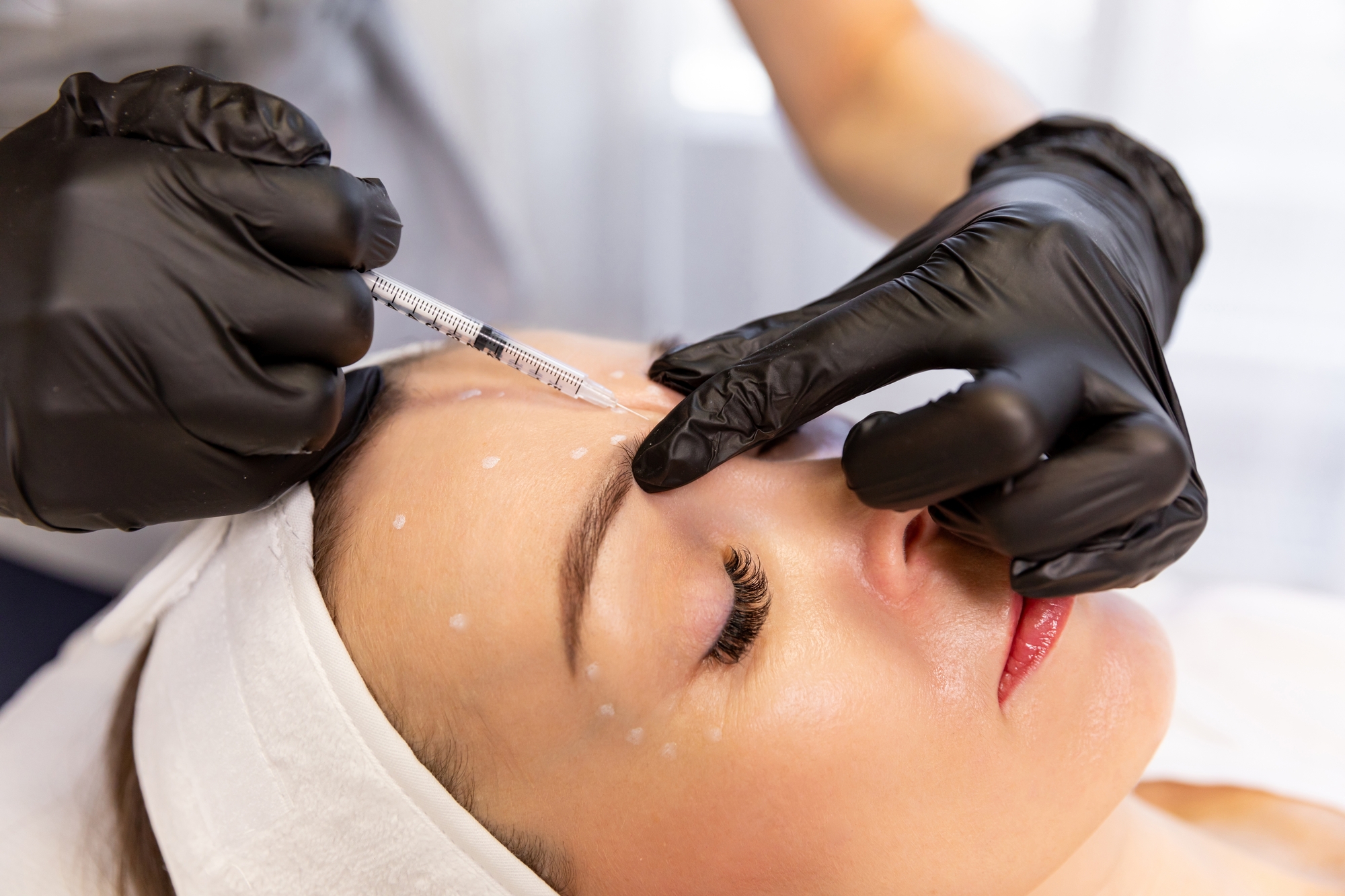
How Long Does Botox Last?
For most people, Botox results last about 3 to 4 months, with some seeing a shorter or longer window depending on the treatment area, muscle strength, and individual metabolism. If you’re planning around an event or trying to keep results consistent, it helps to understand not only the average timeline but also the signs that Botox is wearing off and when to schedule your next visit.
Average Duration of Botox Results
In general, Botox begins to “settle in” gradually and then maintains a smoother look for a few months.
A common timeline looks like this:
-
Days 1-3: You may not notice much change yet.
-
Days 4-7: Early softening of movement and lines often becomes apparent.
-
Days 10-14: Results are typically at or near their peak.
-
Months 2-3: Results usually look stable.
-
Months 3-4: You may notice movement slowly returning.
-
Month 4+: Many people are ready for a touch-up or repeat treatment.
Some clients love the subtle “fade” because it looks very natural. Others prefer a consistent look and schedule maintenance before full movement returns.
Factors That Affect Botox Longevity
Even though “3-4 months” is a helpful average, it’s not one-size-fits-all. Here are the biggest factors that influence how long results last:
-
Treatment area & muscle strength: Stronger, more active muscles (like the forehead for expressive faces) may metabolize results faster than smaller areas.
-
Dosage & personalization: A tailored plan that matches your anatomy and goals can influence duration. Too little product may wear off sooner; too much may feel heavier than desired.
-
Metabolism & lifestyle: People with faster metabolisms sometimes find their results fade a bit sooner.
-
Exercise habits: Very intense, frequent exercise may shorten the duration for some individuals (not always, but it’s commonly reported).
-
Consistency over time: Many people notice results last longer after they’ve been treated consistently because the targeted muscles may become less dominant.
-
Skincare & sun exposure: While skincare doesn’t “hold” Botox in place, overall skin health (hydration, barrier support, sun protection) can make the surface look smoother as Botox fades.
Botox Duration by Treatment Area
Different facial areas can respond differently to Botox because muscles vary in size, strength, and how often you use them throughout the day.
Common patterns include:
-
Forehead lines: Often 3-4 months, sometimes a bit less in very expressive foreheads.
-
Frown lines (between the brows): Often 3-4+ months, since these muscles can respond strongly to treatment.
-
Crow’s feet: Often 3 months (sometimes closer to 2.5-3.5 months depending on expression and skin elasticity).
-
Bunny lines (nose): Often 2-3 months because the area moves frequently for some people.
-
Lip flip (if performed): Often 6-8 weeks (shorter duration is common in this area due to frequent movement).
-
Jaw slimming / masseter area (if performed): Can last 4-6 months for some people, since the muscle is larger and responses vary widely.
Your injector may recommend a customized timeline based on which areas are treated and what “maintenance” means to you.
How Long Does Botox Last in the Forehead?
Forehead Botox is one of the most requested areas because it can soften horizontal lines created by raising the eyebrows. Typically, forehead Botox lasts around 3 to 4 months – but it can fade sooner if:
-
Your forehead is very expressive
-
You naturally have strong frontalis muscles
-
You’re new to neuromodulators, and your muscles haven’t “learned” to relax yet
Forehead treatment is also often balanced with the area between the brows to keep results looking natural and harmonious.
How to Tell When Botox Is Wearing Off
Botox doesn’t usually “stop” overnight. Instead, you’ll notice subtle changes as movement returns.
Common signs include:
-
More facial movement in treated areas (you can raise, squint, or frown more easily)
-
Lines reappearing during expression first, then gradually at rest
-
Makeup settling into lines again (especially forehead and crow’s feet)
-
Your “old habits” returning, like raising your brows when concentrating
A helpful self-check is to look at your face in motion (not just still photos). When you start seeing the same patterns that bothered you before treatment, that’s typically your signal that results are fading.
How Often Should You Get Botox?
Most people schedule Botox every 3 to 4 months to maintain results. That said, the right timing depends on your goals:
-
For consistent smoothing: Many people come in closer to every 3 months.
-
For a softer look: You might prefer every 4 months or even longer.
-
If you’re new to Botox: Your first cycle is a learning experience – your ideal schedule becomes clearer after you see how your body responds.
It’s generally a good idea not to wait until you’re fully “back to baseline” if your goal is steady maintenance, because starting from scratch each time can make results feel less continuous.
Tips to Extend Your Botox Results
While you can’t control every variable, you can support longer-lasting, more consistent results with smart habits.
Consider these tips:
-
Keep appointments consistent: A steady schedule can help reduce the “peaks and valleys” between treatments.
-
Prioritize skin health: Hydration, daily sunscreen, and barrier-friendly skincare can help your skin look smoother even as Botox fades.
-
Manage stress (when possible): Stress can amplify facial tension and habitual expressions like frowning and squinting.
-
Avoid excessive sun exposure: UV damage can make lines look deeper over time, even if muscle movement is reduced.
-
Be mindful of repeated expressions: You don’t have to “freeze your face,” but noticing habits (like constant brow-raising) may help results last longer.
-
Pair with complementary treatments: Services that improve texture and skin quality, like microneedling, can support an overall smoother look, especially between Botox appointments.
When to Schedule Your Next Botox Appointment
A practical rule: schedule your next visit 2-4 weeks before you want to be at peak results.
Here are a few timing examples:
-
If you have an upcoming event: Plan Botox about 2 weeks before so results have time to fully develop.
-
If you’re maintaining a consistent look: Book your next appointment around the 3-month mark, before full movement returns.
-
If you’re noticing fading: When you first see lines reappearing with expression, that’s a good time to plan your next visit rather than waiting for full return.
Conclusion
So, how long does Botox last? For most people, results last about 3 to 4 months, with variation based on treatment area, muscle strength, metabolism, and consistency. By understanding your personal “wear-off” signs and planning ahead, you can keep results looking smooth, natural, and well-timed with your schedule.

About the Author
John Murphy